
The Concept of Luck in Gambling
Luck is often perceived as a random force that influences the outcome of games, particularly in casino settings. Players frequently regard their success or failure at slot machines, poker tables, and other gambling activities as a mere twist of fate. This belief in luck is deeply rooted in cultural narratives and personal experiences, shaping how players engage with casino games. For many, the anticipation of good fortune adds an exciting layer to the gaming experience, making every spin of the reel or deal of the cards feel like a thrilling gamble. As you evaluate your options, be sure to check the best bitcoin casinos available to enhance your insights.
Psychologically, the notion of luck can significantly affect a player’s behavior and decision-making. When players feel lucky, they may take more risks, wagering higher amounts or playing more frequently. This phenomenon highlights the interplay between perception and action in gambling environments, where confidence in one’s luck can lead to both exhilarating highs and devastating lows. Understanding this psychology is crucial for both players and casinos, as it influences gameplay dynamics and ultimately impacts revenue.
The Role of Cognitive Biases
Cognitive biases are systematic patterns of deviation from norm or rationality in judgment. In the realm of gambling, these biases can manifest in various ways, affecting the way players interpret outcomes and make decisions. For instance, the « gambler’s fallacy » leads players to believe that past events influence future probabilities in games of chance. A player may assume that because a certain number hasn’t appeared in a while, it is « due » to come up next, despite the randomness of the game.
This misunderstanding of probability highlights how cognitive biases can skew perception and foster a false sense of control. Players may become overly reliant on superstitions or rituals, believing that they can influence their luck through specific actions. Such biases can enhance the overall gaming experience as they heighten emotional engagement, but they can also lead to irresponsible gambling behaviors if players fail to recognize the underlying randomness of the games.
The Emotional Impact of Winning and Losing
The emotional rollercoaster that accompanies gambling is a significant aspect of the psychology of luck. The euphoric highs associated with winning can create a powerful urge to gamble more, as players chase that thrill. This phenomenon is often reinforced by the release of dopamine, a neurotransmitter linked to pleasure and reward. Winning can generate feelings of invincibility and optimism, leading players to believe their luck will continue, which can spiral into a cycle of increased wagering.
Conversely, the despair and frustration associated with losing can be intense, often leading to regret or an urge to recover lost funds. This emotional volatility illustrates the dual nature of luck in casino games, where positive outcomes can reinforce gambling behavior while negative outcomes may drive players to take further risks. Recognizing these emotional triggers can help players develop a healthier approach to gambling, enabling them to engage in the activity more mindfully.
The Influence of Environment on Perception of Luck
The casino atmosphere plays a pivotal role in shaping players’ perceptions of luck. Bright lights, vibrant sounds, and the presence of other players create an immersive environment that heightens emotional responses. This sensory overload can lead to an increased sense of excitement, making players feel more fortunate and emboldening them to take larger risks. The layout and design of a casino are meticulously crafted to amplify these feelings and contribute to a sense of positive expectancy.
Furthermore, the use of promotional strategies, such as loyalty programs and jackpots, can also influence players’ beliefs about their luck. When players see others winning, they may feel a greater sense of hope that they, too, will experience similar fortune. This collective atmosphere of optimism can perpetuate gambling behavior, reinforcing the perception that luck is a tangible, accessible commodity within the vibrant world of casinos.
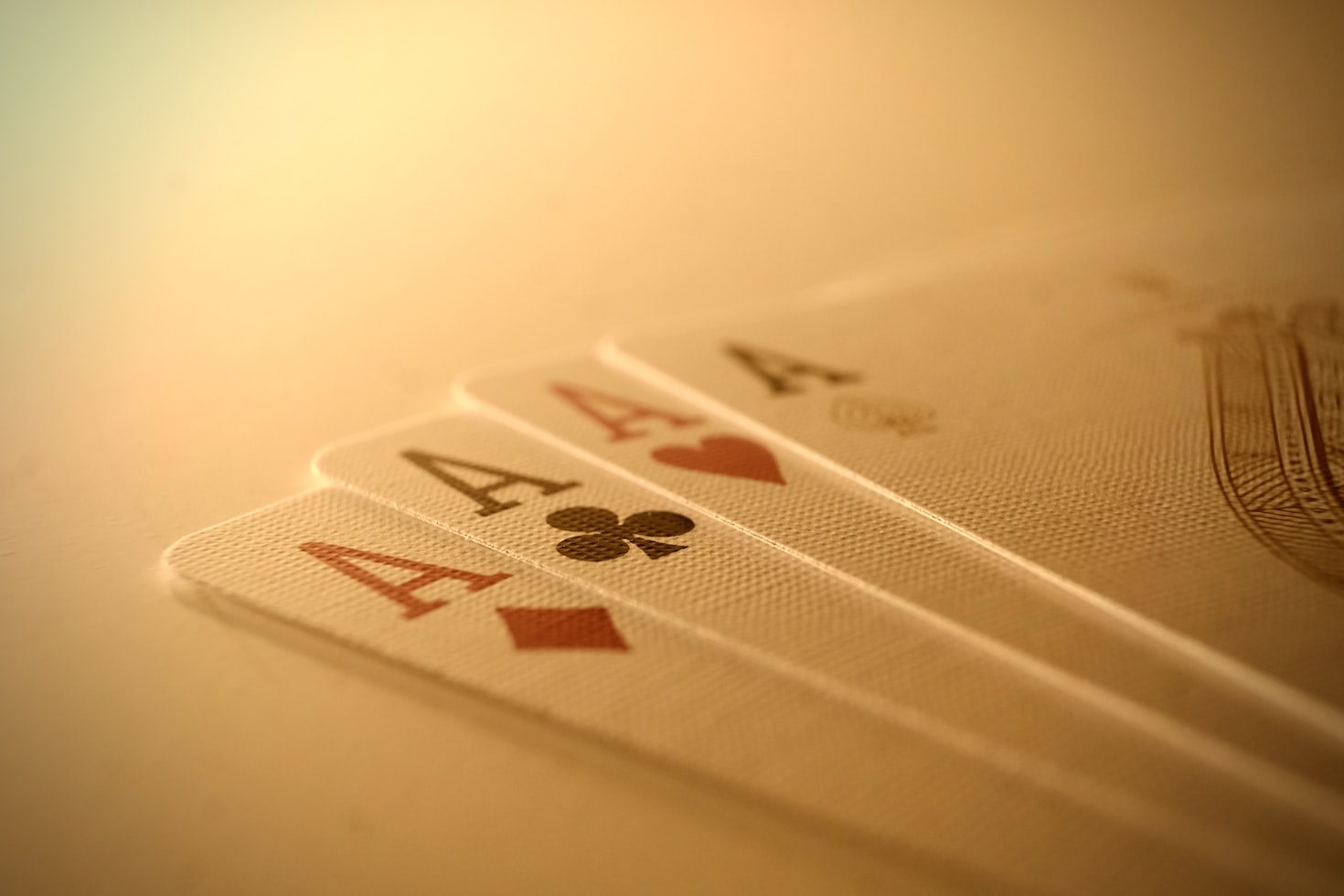
Discover More About Crypto Gambling Trends
For those looking to delve deeper into the psychology of luck and the thrill of gambling, exploring the nuances of crypto casinos offers a fascinating perspective. These platforms are not only transforming the landscape of online gaming but also introducing new dynamics in how luck is perceived and experienced by players. With a focus on fast, secure, and anonymous gaming, crypto casinos are becoming increasingly popular among enthusiasts.
Our comprehensive guide provides valuable insights into the best Bitcoin and crypto casinos available, emphasizing the psychological aspects of gambling and how they influence player behavior. Staying informed about the latest trends in the world of cryptocurrency gambling will enhance your understanding of luck’s role in gameplay, allowing for a more enriching and responsible gambling experience.